An App Can Open the Door. It Cannot Get Anyone Through It.
An App Can Open the Door. It Cannot Get Anyone Through It.
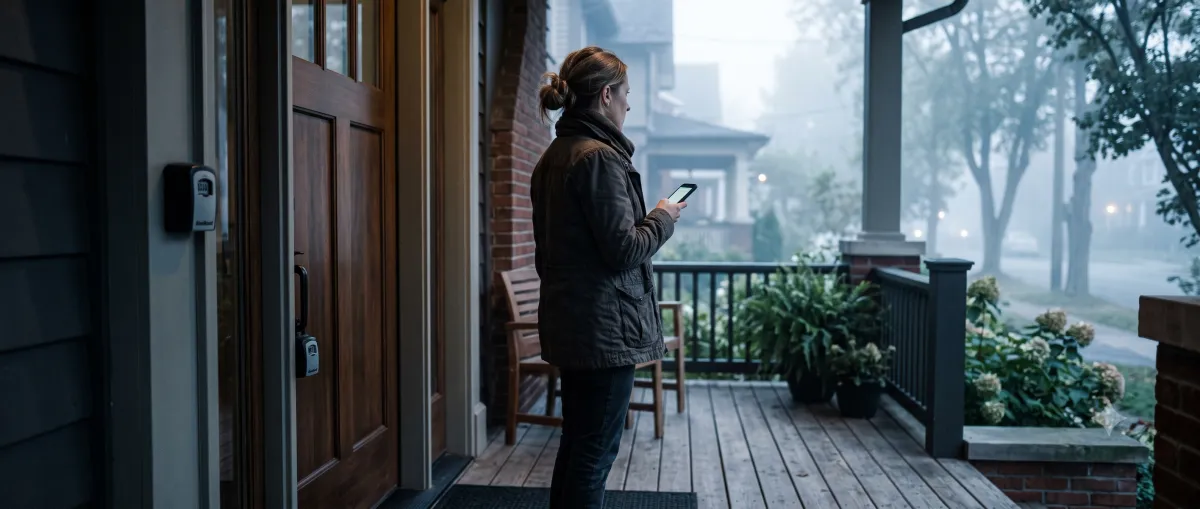
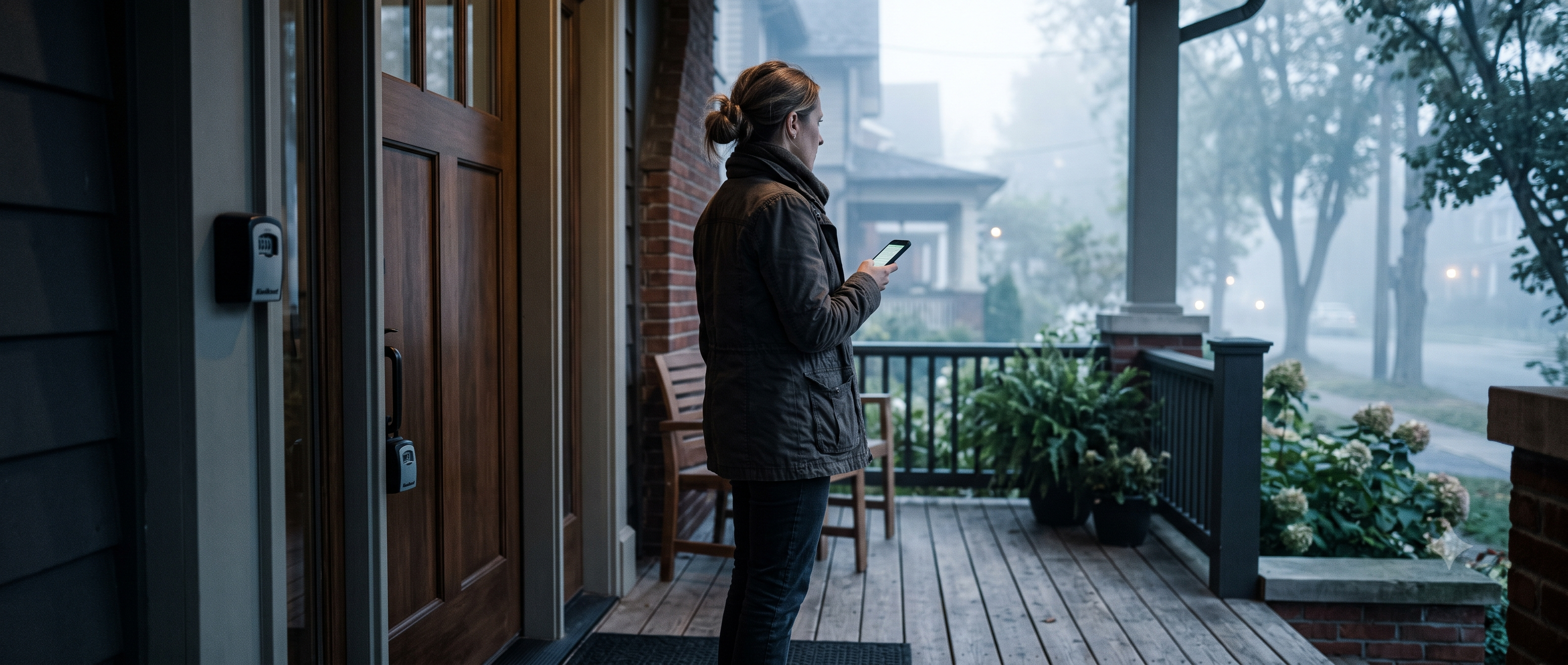
Somewhere in Texas this week, an agent's phone pinged. A showing request from an app, pushed out to a network of local agents, first one to accept gets the job. She drove across town to a house she had never studied, unlocked the door for a buyer she had never met and will never see again, and stood near the kitchen island while they walked the rooms. When it was over she locked up, logged her time, and got paid by the hour, like the babysitter.
That job exists right now, and it is wearing your license.
The company behind it is called Homa. It launched in Florida in the spring of 2025 and expanded into Texas this summer, venture backed, with real buyers and real closings. The software searches the same MLS feed you use and drafts the offer, buyers pay roughly one percent or a flat fee and get the rest rebated at closing, and the founder openly compares the showing system to a ride share app. None of that is rumor. It is all on the record, in their own words.
A four hundred thousand dollar decision is not a dispatch problem
The ride share comparison is worth taking seriously, because it tells you exactly how they see the job. When you order a ride, you do not care who is driving. You want the car to show up and get you across town without incident, and the driver is interchangeable by design. That is completely fine, because the stakes are a fifteen dollar fare and twenty minutes of your day.
Now put that logic on the largest purchase of a person's life. A buyer walking through a house is not solving a scheduling problem. They are trying to work out whether the street feels safe at night, whether the crack in the garage slab is cosmetic or a fifteen thousand dollar surprise waiting eighteen months out, whether this is the place their kids grow up. Answering that takes somebody who has walked two hundred houses in that zip code and will say the hard thing in the moment.
An hourly door opener has no reason to say the hard thing. There is no relationship to protect, no deal to close, no reputation on the line in that neighborhood, and the check clears the same whether the buyer walks out thrilled or walks into a disaster. That is not a cheaper version of you. That is a different job wearing your clothes.
The friction was never paperwork
Silicon Valley keeps funding this idea because of what it thinks the friction in real estate is. Investors look at a transaction and see scheduling, comps, disclosures, contracts, signatures. All of that is real work, and honestly, most of it should be automated. If that were the whole job, an app would have finished you off ten years ago.

A few weeks ago on a coaching call, an agent I work with walked me through a three and a half million dollar deal that had just collapsed. Her buyers had bid on the property back in August, and the seller was not ready. Months later the seller reached out and said he was finally ready to sell, so her clients took a day off work and drove three and a half hours to get it done. She asked the listing side exactly what they needed to see on paper, and her buyers wrote the contract to those exact terms. Full price. Cash. Everything the seller asked for, delivered without a single point of friction.
He looked at it and said, "Yeah, we're not ready."
Sit with that. The contract was perfect. The terms were his. The money was real and the timeline was his own. Every part of that transaction an app could touch was already flawless, and the deal died anyway, because the part that failed was inside a human being.
Another agent in our community lost a closing three days from the finish line. His buyer's dog got sick, and she decided that if the dog died, she would forever associate the house with that grief. She paid the seller five thousand dollars of her own earnest money just to walk away from a clean transaction. There was no inspection issue, no financing issue, no term left to negotiate. There was a person, standing at the edge of a decision, who could not make herself jump.
Here is the honest part, and I need you to hear it. Neither of those agents saved those deals. Nobody was saving those deals. That is precisely the point. The bottleneck was never the paperwork, and the paperwork is the only part the software addresses. You cannot automate courage, and until somebody figures out how, the most important variable in every transaction remains a scared human being standing in a kitchen.
They ran the experiment so you do not have to
The company itself already found this out, which is the part of the story nobody selling panic will tell you.
Homa launched with a vision of a fully AI powered, unrepresented buyer experience. No agent anywhere in the deal. Then they ran it in a live Florida market, and the market gave them an answer they did not expect: human buyer agents still add value. So they kept them, and started paying them by the hour.
Their founder now describes the target as ninety five to ninety eight percent autonomy. Not a hundred. His stated reason is that this is the biggest purchase of someone's life. The people with the capital, the engineers, and every possible incentive to prove you unnecessary ran the experiment and concluded they needed a human in the room for the part that matters. That is not my opinion about the future of this industry. That is their product roadmap.
The app is not the threat. Your offer is.
None of that means you are safe, and this is the part I actually need you to sit with.
Allan Dalton put it plainly in Chicago Agent Magazine this spring: artificial intelligence will not replace real estate agents, it will divide them. One group uses AI to generate volume. More posts, more emails, more automated touches, produced with the same tools every other agent in the market is using, so it all arrives sounding identical. That group makes itself interchangeable, and interchangeable is exactly what gets commoditized. No app required. They do it to themselves.
The other group uses AI to sharpen judgment. They prepare harder for the listing appointment, understand a submarket in an hour instead of a month, and run follow-up consistent enough that nothing falls through the cracks. Then they walk in as the most prepared person in the room and win on that.
The math is uncomfortable. If your value proposition today is that you open doors, send drips, and know the lockbox code, an app already does a version of that for one percent, with closings in two states. If your value proposition is that you have worked a neighborhood for eight years, know which inspector actually shows up on time, and will tell a client the truth even when the truth kills your own commission, there is no funding round large enough to buy that. It is not a feature. It cannot be shipped.
Run the audit before somebody runs it on you
One exercise this week, and it takes twenty minutes. Pull up your calendar from the last five working days and split everything you did into two columns. Column one is dispatch work: anything where you were interchangeable, where a competent stranger with your MLS login could have produced the same result. Scheduling, unlocking, forwarding, standard drips. Column two is judgment work: the moments where what you specifically know, about a street, a client, or a deal, changed what happened next.

Surrender column one to software without a shred of sentiment. It was never your value, and defending it hourly against a one percent app is a fight you lose on price every time. Then look hard at column two, because that column is your actual offer, written in your own handwriting. If it is nearly empty, the app was never your problem. That is the finding.
Somewhere in Texas next week, another phone will ping, and another door will open right on time. The door was never the hard part. The hard part is the seller who got every term he asked for and still could not say yes, and the call at eleven at night when the whole thing feels like it is going sideways. Software will keep getting better at opening the door. Getting someone through it is still yours.